
At MOPA 2026,
We Are Psychologists—and this year’s speaker lineup reflects the depth, diversity, and impact of our field. We’re bringing leading voices in psychology directly to you, offering timely insights on clinical practice, ethics, leadership, and the evolving role of psychologists in today’s world. Each session is designed to be practical, engaging, and immediately applicable—so you leave not just inspired, but equipped.
Join us to connect with experts, expand your perspective, and earn high-quality continuing education credits that support your growth and your work.
13 POSSIBLE CE'S AVAILABLE FOR ALL PRE-CONFERENCE AND CONFERENCE SESSIONS
Keynote Speaker
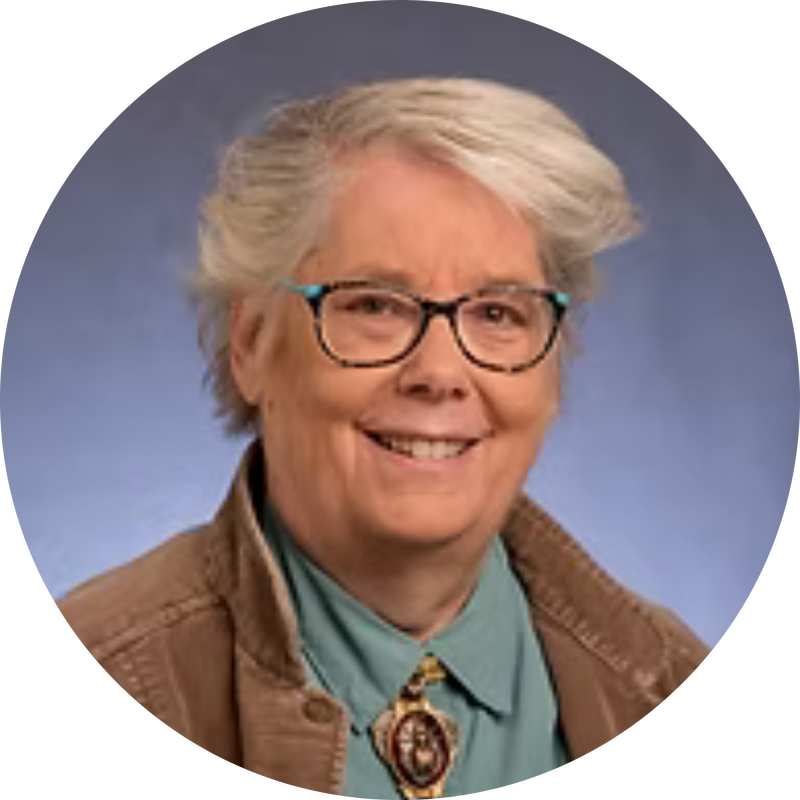
Linda M. Woolf, Ph.D.
APA President-Elect
Webster University Professor

Saturday - 8am - 1 CE Hour
Keynote Address
We Are Psychologists.
In an era of rapid change and global complexity, psychologists are uniquely positioned to lead. As a MO-based psychologist and APA President-Elect, Dr. Linda M. Woolf will explore the evolving role of psychologists in addressing today’s most complex individual and societal challenges. Drawing on her expertise in ethics, human rights, and global issues, this keynote will highlight how psychologists can lead with purpose, foster meaningful dialogue, and thrive in an increasingly interconnected world.
About Dr. Woolf
Dr. Linda M. Woolf is a Professor of Psychology and International Human Rights at Webster University, where she teaches a variety of courses related to the Holocaust, mass political violence, human rights, ethics, and peace psychology. Recent articles, book chapters, and presentations focus on ethics, social justice, human rights, psychosocial roots of mass violence, and international issues.
Education:
- PhD, Applied Experimental Psychology, Saint Louis University
- MA, International Relations, Webster University
- Graduate, Yad Vashem Institute, Holocaust Studies, Jerusalem, Israel
Dr. Woolf has an extensive history of leadership and service within the APA, showcasing her deep commitment to education, science, diversity, justice, global issues, ethics, and human rights. Her experience includes working collaboratively with diverse groups, ensuring that each voice is heard and their concerns addressed. By fostering open dialogue, she strives to reach equitable solutions to complex problems, embodying her values in every endeavor.
Pre-conference
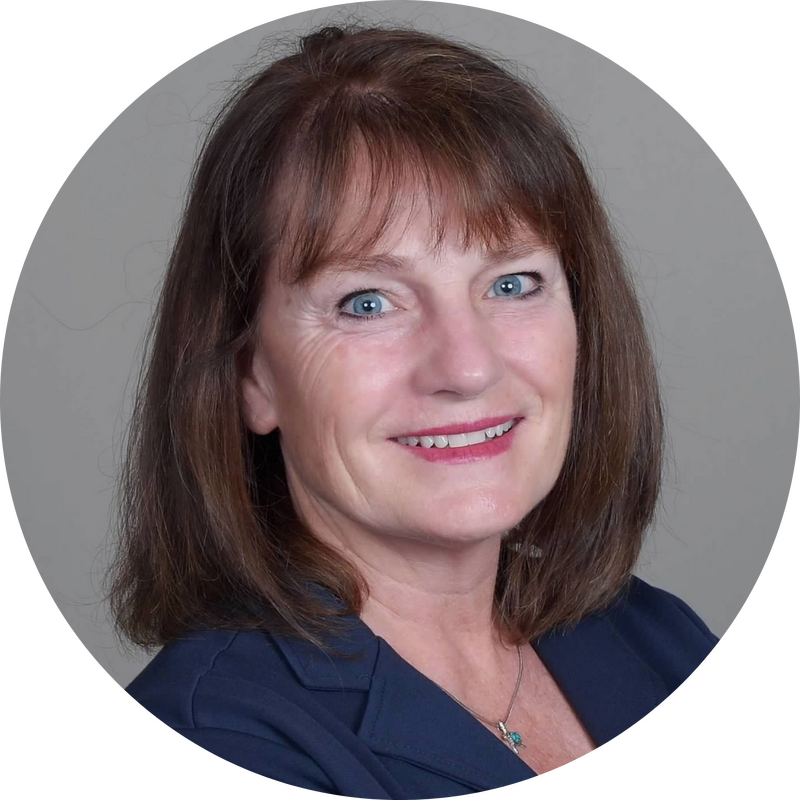
Amy Meriweather , Ph.D.
Friday - 9am - 3 CE Hour
Solution-focused Brief Therapy In Action
In today’s fast-paced and outcome-driven care environment, psychologists are increasingly called to deliver meaningful change in a focused and efficient way. A solution-focused approach equips clinicians with practical, evidence-informed strategies to quickly identify client strengths, set clear goals, and facilitate progress—while still honoring individual experiences and complexity. By understanding when and how to apply Solution-Focused Brief Therapy, psychologists can expand their clinical toolkit, improve client engagement, and deliver impactful care that meets the evolving demands of modern practice.
Learning Objectives
- Recognize a Solution-Focused paradigm
- Identify clients who would benefit from a Solution-Focused approach
- Create an effective agreement for therapy using solution-focused outcomes and goals
- Structure sessions to maximize the three key components of an SFBT model
- Utilize an effective set of outcome-oriented questions to facilitate meaningful change
- Honor individual differences and experiences when using S-FBT
- Access resources to further skills and community building in Solution-Focused Brief Therapy
- Develop awareness of the limitations of Solution-Focused Brief Therapy
About Dr. Meriweather
Describe the item or answer the question so that site visitors who are interested get more information. You can emphasize this text with bullets, italics or bold, and add links.
General Conference Friday
Friday 1-5 pm
Possible CE's: 3 Hours
1 PM - Medical Aid in Dying (MAiD): What Psychologists Need to Know (1CE)
Presenters: Bryan Carpenter, PhD, and Ann Steffen, PhD
With the 2025 enactment of SB 1950, Illinois is now the first state in the Midwest to legalize medical aid in dying (MAiD) for individuals aged 18 and older. The Marilyn Teitelbaum Death with Dignity Act (HB 2188) will likely be reintroduced in Missouri in 2026. In addition to the 10 US states and 7 other countries that have legalized MAiD for
residents, two states (Oregon and Vermont) and one country (Switzerland) make it available to eligible non-residents. Therefore, a growing number of psychologists will encounter concerns related to MAiD in their clinical practice, even in states and care settings where the practice is not sanctioned by law or policy. This CE workshop provides foundational information about MAiD. Developmentally- and culturally-congruent assessment considerations are provided for differentiating a patient’s desire for hastened death from conditions that may impair judgment (e.g., depression and suicidality). Ethical issues in clinical practice are reviewed, including grappling with personal beliefs that may influence patient-centered care, attending to the needs of individuals and their families, and supporting involved medical professionals. The workshop will conclude by addressing the role of self-care for psychologists working in this area and outlining considerations to support clinicians’ self-reflection and decisions about professional involvement. Resources for continued professional development will be provided, including the American Psychological Association’s recently updated Resolution on Palliative Care and End-of-Life Issues (under Council review, Feb 2026).
Learning Objectives:
- Describe three patient concerns that may complicate informed consent and legal eligibility for Medical Aid in Dying (MAiD).
- Locate Medical Aid in Dying (MAiD) related professional development resources for psychologists.
About the speakers:
Brian Carpenter is a licensed clinical psychologist, Professor of Psychological & Brain Sciences, and Professor of Medicine, Division of Palliative Medicine, at Washington University. Dr. Carpenter received a B.A. from Williams College and a doctorate in clinical psychology from Case Western Reserve University. After completing a predoctoral internship at the New Orleans Veterans Affairs Medical Center, he completed postdoctoral fellowships at the Philadelphia Geriatric Center, the University of Pennsylvania, and in palliative care at the Portland Oregon VA Healthcare System. His teaching, research, and clinical interests focus on family relationships in later life, with an emphasis on communication among older adults, their family members, and their healthcare providers, particularly in the realms of Alzheimer’s disease and end-of-life care.
Ann M. Steffen, PhD, ABPP, is a licensed clinical psychologist and Founders Professor in the School of Social Work, Psychological and Brain Sciences at the University of Missouri-St. Louis, USA. She received a B.A. from Rockhurst University and a doctorate in clinical psychology from Indiana University-Bloomington. After completing her predoctoral internship at the Palo Alto Veterans Affairs Medical Center, she completed a postdoctoral fellowship in geropsychology and interprofessional teams at Stanford University School of Medicine. Dr. Steffen’s teaching, research, and clinical work have focused on mental health and aging, with specific attention to later-life depression, family caregiving, and professional training. She is board-certified in Geropsychology and dual-certified in Behavioral and Cognitive Psychology by the American Board of Professional Psychology.
2:15 PM - The Time is Right for Missouri Psychologists to Gain Prescribing Privileges (1CE)
Overview:
This panel will address the ongoing advocacy for Missouri psychologists in their efforts to obtain prescribing privileges, highlighting both the significant resistance encountered and the personal experiences of prescribing psychologists. For over 30 years, psychologists have argued that their education and training uniquely position them to prescribe psychotropic medications. Nine states have now granted prescriptive authority to psychologists, expanding their capacity to offer comprehensive, evidence-based care.
Relevance:
Psychotropic medication is an increasingly integral component of mental health treatment. Timely access to appropriate medication can be crucial for patient well-being and prevention of clinical regression. Psychologists, with their expertise in assessment and diagnosis, are well-equipped to ensure accurate prescribing, minimize inappropriate medication use, and consider alternative, evidence-based interventions. Expanding prescriptive authority can directly address gaps in psychiatric service access, particularly in underserved areas.
Why Attend:
- This session is relevant for psychologists in private practice, healthcare systems, education, and community mental health settings. Attendees will:
- Replace myths with facts by reviewing research on prescribing psychologists’ outcomes, including safety and efficacy.
- Examine systematic studies documenting the most severe shortages of psychiatric services.
- Gain knowledge of recent developments and ongoing challenges in securing prescribing privileges.
- Enhance their ability to make informed decisions about supporting or opposing prescriptive authority for psychologists.
- Learn how to join and support organized efforts to expand prescriptive authority in Missouri.
Learning Outcomes:
By the end of this session, participants will:
Be able to dispel common myths about prescribing psychologists using empirical evidence and positive outcome data.
Understand the areas in Missouri and nationally with the greatest shortages of psychiatric services and how prescribing psychologists can address these gaps.
Be equipped to make informed choices regarding advocacy for or against prescribing privileges.
Have greater knowledge to support colleagues and the broader movement to expand psychologists’ scope of practice.
Be able to weigh the pros and cons of pursuing prescriptive authority personally.
Summary:
This session will provide an up-to-date overview of the changing landscape of psychological practice, focusing on the impact, safety, and effectiveness of prescriptive authority where it has been implemented. It will address concerns about inappropriate prescribing, clarify the rigorous training involved, and demonstrate how psychologists can be a significant asset in expanding access to quality mental health care. Participants will leave better prepared to advocate for the profession and to support the best interests of their patients.
4 PM - Where Are We Going? An In-Depth Discussion on How Psychology Is Evolving and the Opportunities Ahead (1CE)
Overview:
Psychology is facing significant pressure. Reimbursement challenges, scope-of-practice debates, the rising cost of education, antiquated CPT codes, status within medical settings, insurance barriers, and increasing competition from other professions all contribute to the strain psychologists are experiencing.
Yet these challenges also point toward important opportunities. As health care, education, business, technology, law, and public policy increasingly recognize the importance of behavior, mental health, decision-making, resilience, and human performance, psychologists have a powerful role to play. Our training, science, and clinical judgment position us to lead in assessment, psychotherapy, integrated care, consultation, advocacy, prevention, leadership development, and new models of service delivery. This session will examine current trends affecting the profession, explore possible solutions, and provide participants an opportunity to share their concerns, perspectives, and ideas for strengthening psychology’s future.
Why this topic matters:
All professions evolve—either intentionally or by default. This discussion gives psychologists and behavioral health professionals an opportunity to identify not only the problems we must address, but also the opportunities we should pursue as the field continues to change.
Why Psychologists and Behavioral Health Specialists Should Attend
This program will help inform the association’s advocacy direction while offering participants a broader understanding of the challenges, emerging opportunities, and strategic choices ahead for psychology and behavioral health practice.
At the End of This Session, Participants Will Be Able To:
- Identify at least three major trends currently affecting psychology.
- Describe how other professions have responded to similar challenges and opportunities.
- Consider strategies for better positioning our practices, professional roles, and areas of influence for the future.
About the speaker:
Chuck Hollister, PhD, is a licensed psychologist, consultant, and three-time APA Fellow who serves as CEO and Director of Professional Affairs for the Missouri Psychological Association. A past MOPA president and legislative chair, he has helped advance more than a dozen state laws and regulations, including measures supporting audio-only telehealth, Medicaid billing for interns, Health and Behavior Codes, integrated care, PSYPACT, and Medicaid reimbursement parity for psychologists with psychiatry. Nationally, Dr. Hollister has received Division 31’s 2025 Psychologist of the Year Award and the Karl F. Heiser Presidential Award for Advocacy. Under his leadership, MOPA has received Division 31’s outstanding state psychological association award and its outstanding diversity program award. He represents Division 31 on APA’s Council of Representatives and chairs the SPTA Caucus. He has served on APA’s Advocacy Coordinating Committee and Strategic Plan Update Committee, where he championed the concerns of working psychologists and the communities to which they belong. He is a frequently invited speaker nationally on advocacy, association leadership, and strengthening the voices of psychologists, SPTAs, and APA’s diverse communities. He was recently named to APA’s President-Elect ballot.